


Are There Different Species of Mountain Lions?

By Panthera

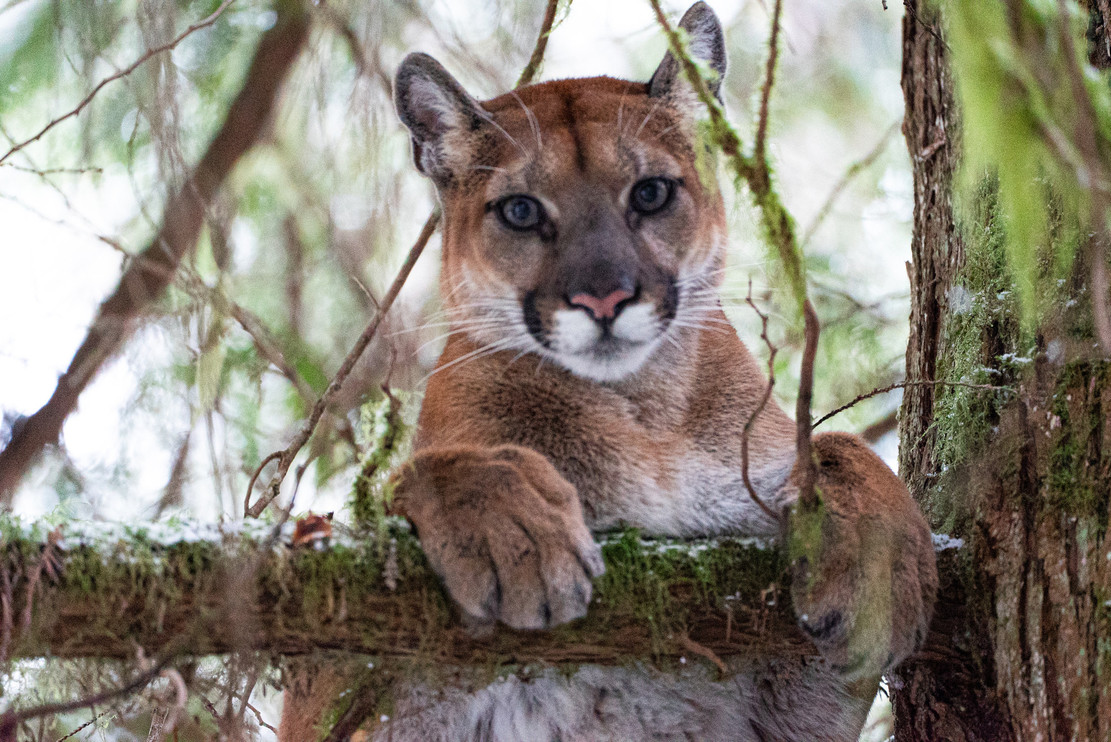
A mountain lion in the Olympic Peninsula
© Dave Shreffler

The mountain lion goes by more names than almost any other animal on the planet — puma, cougar, panther, catamount. But are they all the same species or subspecies?

The short answer: Pumas are all one species, ranging from southern Alaska to the southern tip of South America. There are, however, several different subspecies — somewhere between two and six of them.

Read on to learn what unites pumas across their vast range, what sets the Florida panther apart and why protecting them matters.

One Species, From Alaska to Patagonia

Pumas are within the family Felidae — the taxonomic group encompassing the 40 wild cat species Panthera works to protect. Genetically, pumas are more closely related to cheetahs and jaguarundis than to lions, leopards or tigers, despite the name mountain lion.

These wild cats are the largest cat in the genus Puma. They are also the most widely distributed wild cat in the Western Hemisphere, ranging across 23 countries from southern Alaska to the southern tip of Chile. They inhabit every forest type across their range, as well as montane deserts and open steppe grasslands.

Despite this vast adaptability and no matter what you call them, all mountain lions are the same species: Puma concolor. (The Latin species name concolor means "of one color," in reference to the solid-colored coats of adult animals, absent of spots or stripes.)

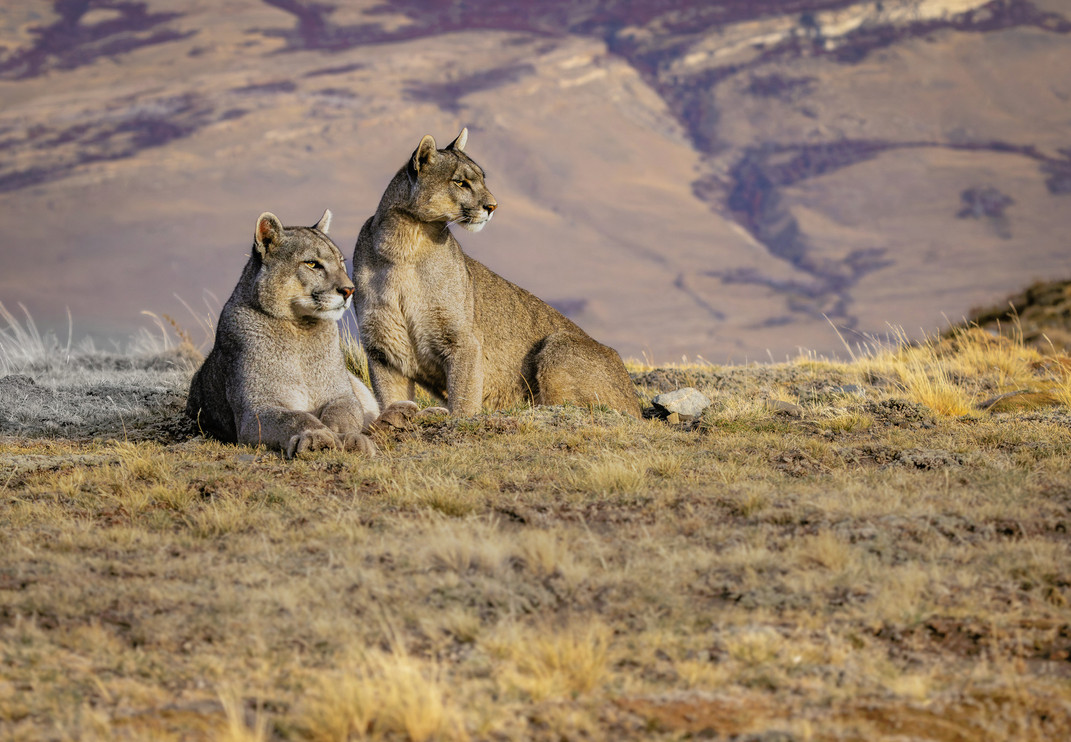
Two pumas in Patagonia, Chile
Two pumas in Patagonia, Chile. © Valarie Van Cleave.

Are There Different Puma Subspecies?

Yes — though scientists still debate exactly how many. Estimates range from two to six. To understand why there's still debate, it helps to know what scientists mean by "species" and "subspecies." A species is a group of animals that can freely and successfully breed with one another to produce viable offspring; today, species are generally described based on genetic similarity in addition to the biological requirements for breeding.

A subspecies is a geographically distinct population or group of populations within a species that shows consistent genetic, morphological or other heritable differences, but is not considered distinct enough to be recognized as a separate species.

Individuals from different subpopulations can interbreed and produce viable offspring, but they likely wouldn't because they live far apart. Puma subspecies, for example, are populations of pumas separated by geography and distance — think mountain ranges, deserts and massive rivers.

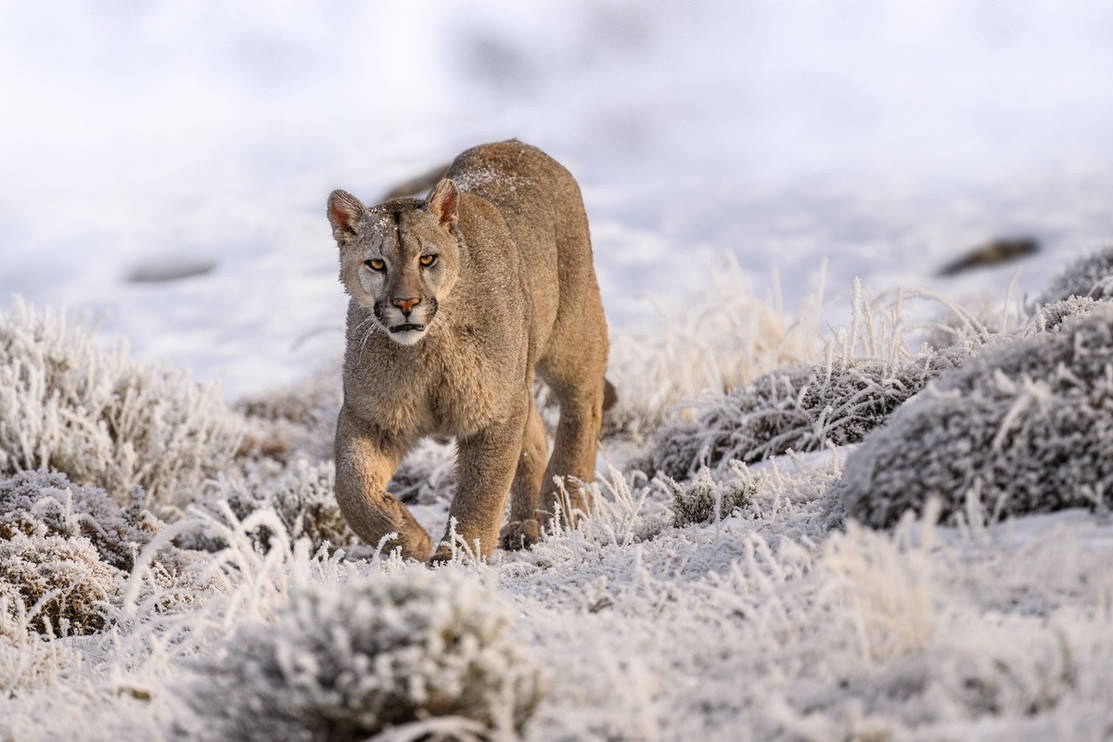
A puma in snowy Patagonia, Chile
Puma subspecies are adapted to different ecoregions across the Americas. © Nick Garbutt.

A hundred years ago, mountain lion subspecies were described by the physical differences in their coat colors and the length and width of their heads and bodies. Originally, scientists proposed 32 different subspecies, each adapted to different ecoregions across the Americas. Pumas can look vastly different depending on where they live: In temperate regions, adult females typically weigh between 70 and 110 pounds (32–50 kilograms), and adult males between 120 and 175 pounds (54–79 kilograms); in tropical areas they are much smaller.

As scientific knowledge grows and changes, so does our understanding and classification of subspecies. Today, geneticists agree there is one mountain lion subspecies across the U.S., Canada and most of Mexico: Puma concolor couguar. That consensus is also the current accepted position of the IUCN/SSC Cat Specialist Group.

There are an additional two to five subspecies from southern Mexico south to Chile and Argentina. As genetic analysis continues to be refined, we will likely see that number change. The lack of consensus reflects how complex puma populations in Latin America are: Long-distance dispersal across the Andes, Amazon and Atacama has produced a patchwork of populations that different genetic methods can group in different ways. Research on South American puma genetics also continues to grow, leaving room for the science to evolve as more data becomes available.

Is the Florida Panther a Separate Species?

Despite the unique name, the Florida panther is not a separate species or subspecies — it belongs to Puma concolor couguar, the same North American subspecies found across much of the continent.

Decades ago, the Florida panther was listed as a separate subspecies: Puma concolor coryi. The U.S. Fish and Wildlife Service addressed this legacy in its 2020 Species Status Assessment, assessing the Florida panther under the updated IUCN classification — meaning all North American pumas, including the Florida panther, are recognized as the same subspecies (Puma concolor couguar). The Florida panther remains protected under the Endangered Species Act as a unique population segment: the only breeding population of pumas in the eastern U.S.

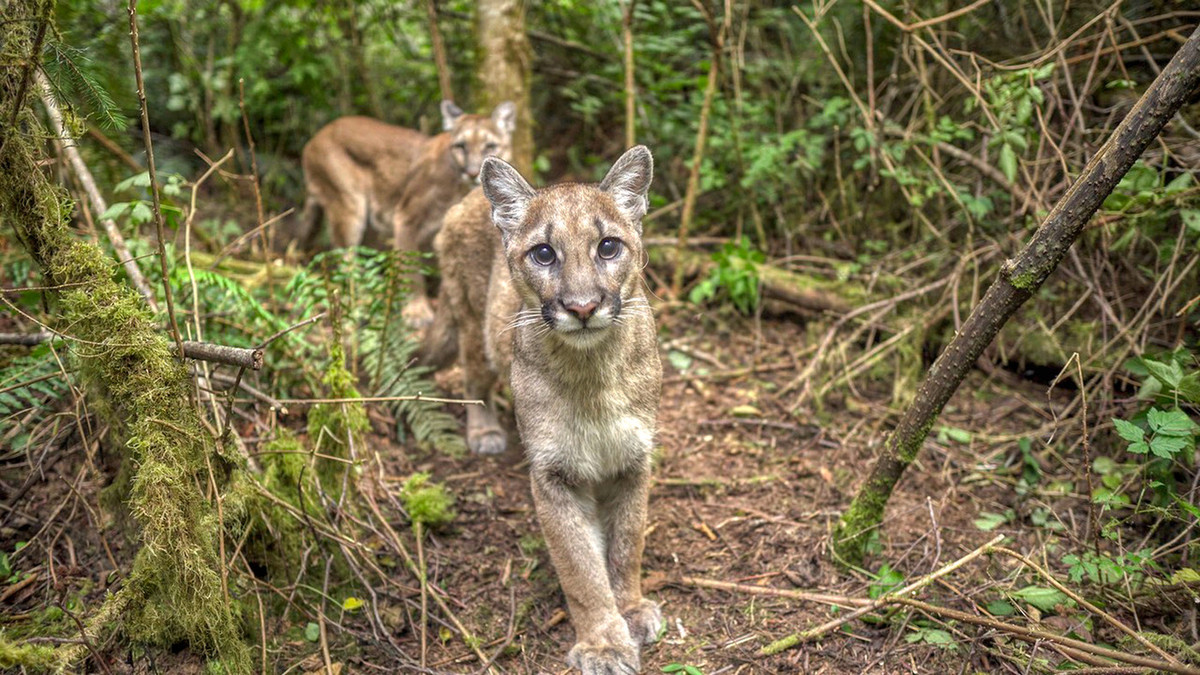
A female puma and her kitten on the Olympic Peninsula
A female puma nicknamed Genevieve and her nearly one-year-old kitten on Washington's Olympic Peninsula. © Matt Mahan.

Pumas were eliminated from the entire eastern half of North America through habitat loss, overharvest and active persecution, including government-sponsored bounty programs that removed large carnivores — pumas, wolves and grizzly bears — from much of the lower 48 states.

A small, isolated population of pumas survived in southern Florida. In the early 1970s, scientists conducting field surveys to estimate the population’s size found just a handful of individuals. 

Eight female pumas from Texas were introduced in 1995, helping stabilize what remained — in part because it was already determined that Texas cats were the same subspecies as Florida panthers 30 years ago. 

After the rediscovery of the small, remaining population, Florida panthers were given special protections under the Endangered Species Act of 1973. These protections allowed for habitat restoration efforts, physical protections and genetic restoration efforts that contributed to the initial recovery of the Florida panther. Today, the population is estimated at roughly 120 to 230 Florida panthers, according to the Florida Fish and Wildlife Conservation Commission — a significant recovery from the 20 to 30 animals that survived in the 1970s, though the species remains endangered. 

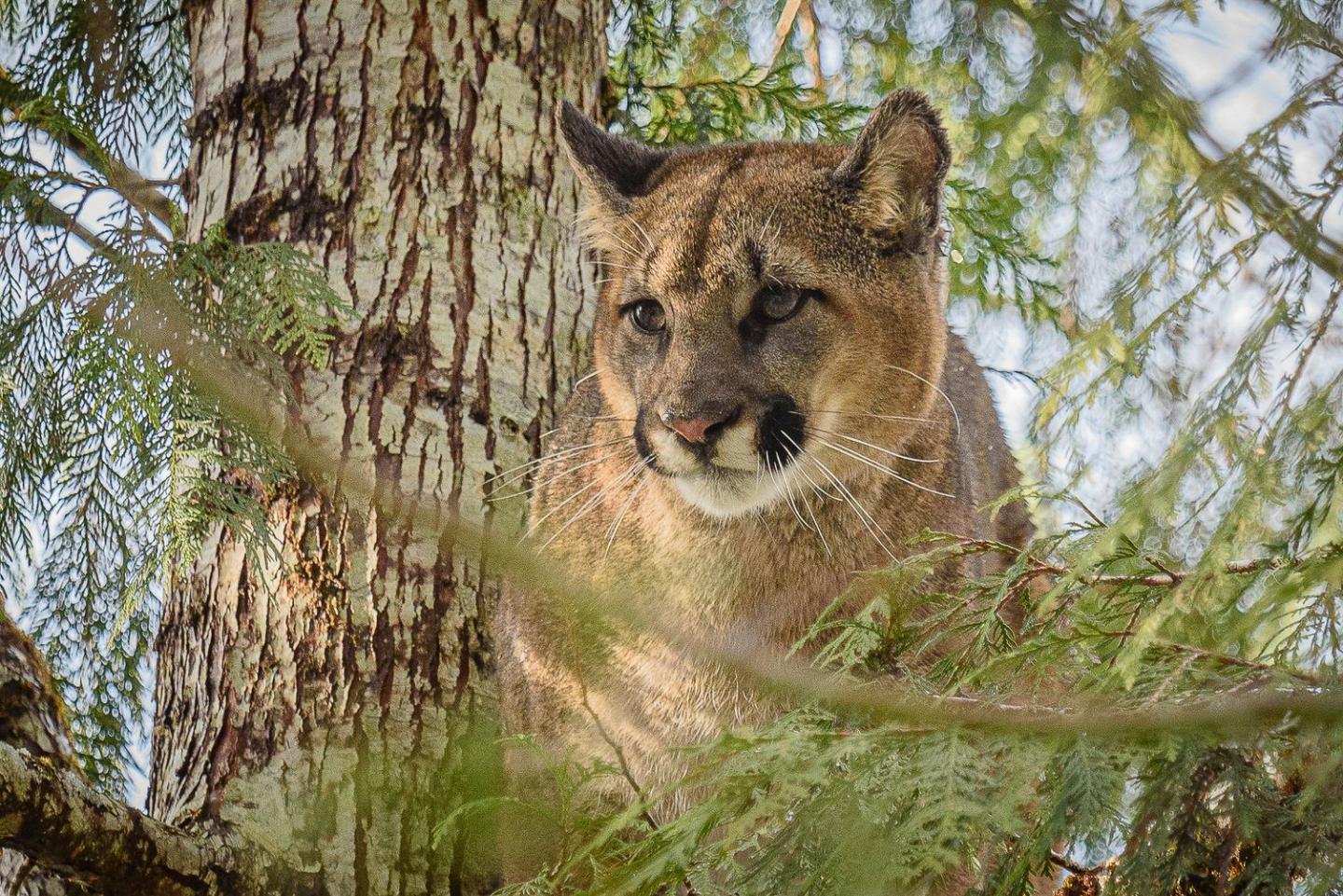
A puma rests in a tree
A female puma rests in a tree in the Olympic Peninsula. © Matt Mahan/Panthera.

How Panthera Is Working to Protect Pumas

As the global leader in wild cat conservation, Panthera has been working to protect pumas across their vast range for two decades. Through our Puma Program, we use cutting-edge science, foster coexistence between people and cats, and build collaborations that span continents. 

A recent study coauthored by Panthera Puma Program Director Mark Elbroch illustrates how that science translates into real-world insight. Published in Current Biology, the research analyzed six years of GPS tracking data from 36 wild pumas in California's Santa Cruz Mountains — one of the busiest recreational landscapes in North America — and found that mountain lions proactively avoid heavily trafficked trails, basing their movements on hourly trends in human use. In other words, if you're hiking or biking in puma country, the cats already know you're there — and they're staying out of your way. 

The findings also challenge a long-held assumption about "habituated" pumas — mountain lions that have grown accustomed to people through repeated, harmless encounters. Wildlife managers have long assumed that habituation makes pumas more dangerous, but the study found that mountain lions with more tolerance for human activity weren't responsible for more conflicts. 

That kind of evidence-based insight can directly shape how wildlife agencies make life-or-death decisions about individual cats — and it's the type of work Panthera supports across the puma's range, from California to Patagonia. 

Pumas have survived across the Western Hemisphere for millions of years, adapting to rainforests, deserts, mountains and coastlines. What they need now is space, connectivity and a future where they can thrive alongside people. Maintaining linkages between puma populations is critical. Without them, human impacts could cause local extinctions and even redefine what a puma is over generations to come.  

Want to help protect pumas? Explore our Puma Program to learn how we're working across the Americas — and follow @pantheracats on social media to keep up with our latest research from the field.  

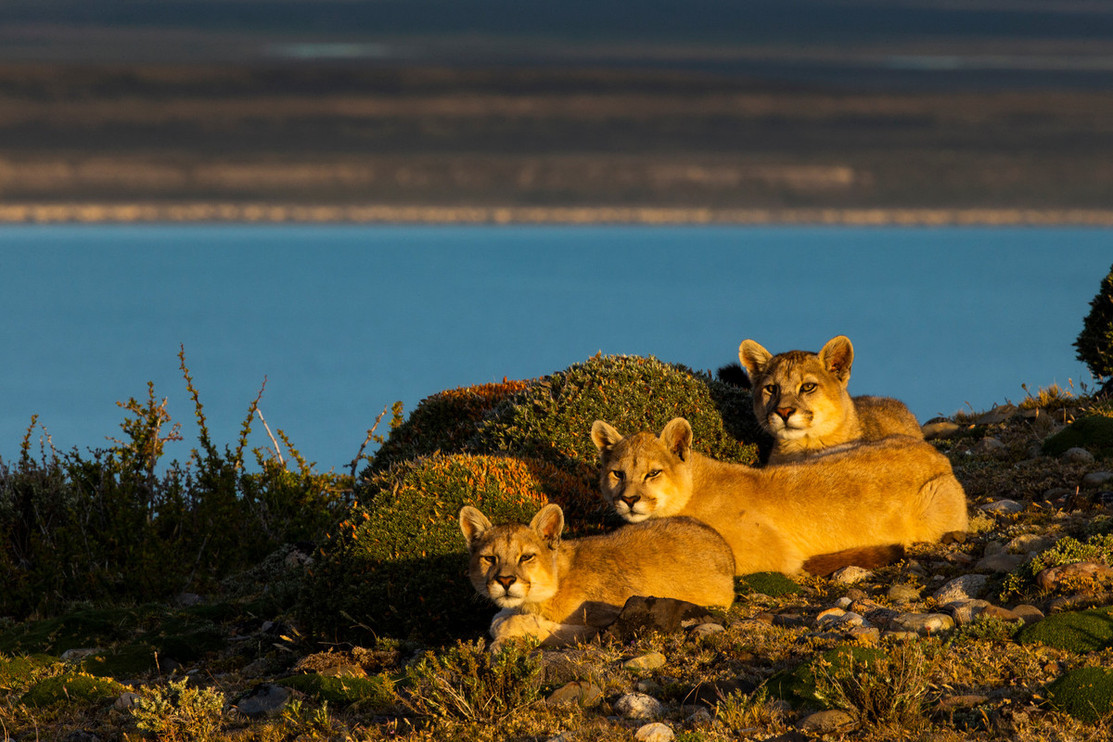
Three puma kittens in Patagonia, Chile
Puma kittens in Torres del Paine National Park, Patagonia, Chile. © Sebastian Kennerknecht.